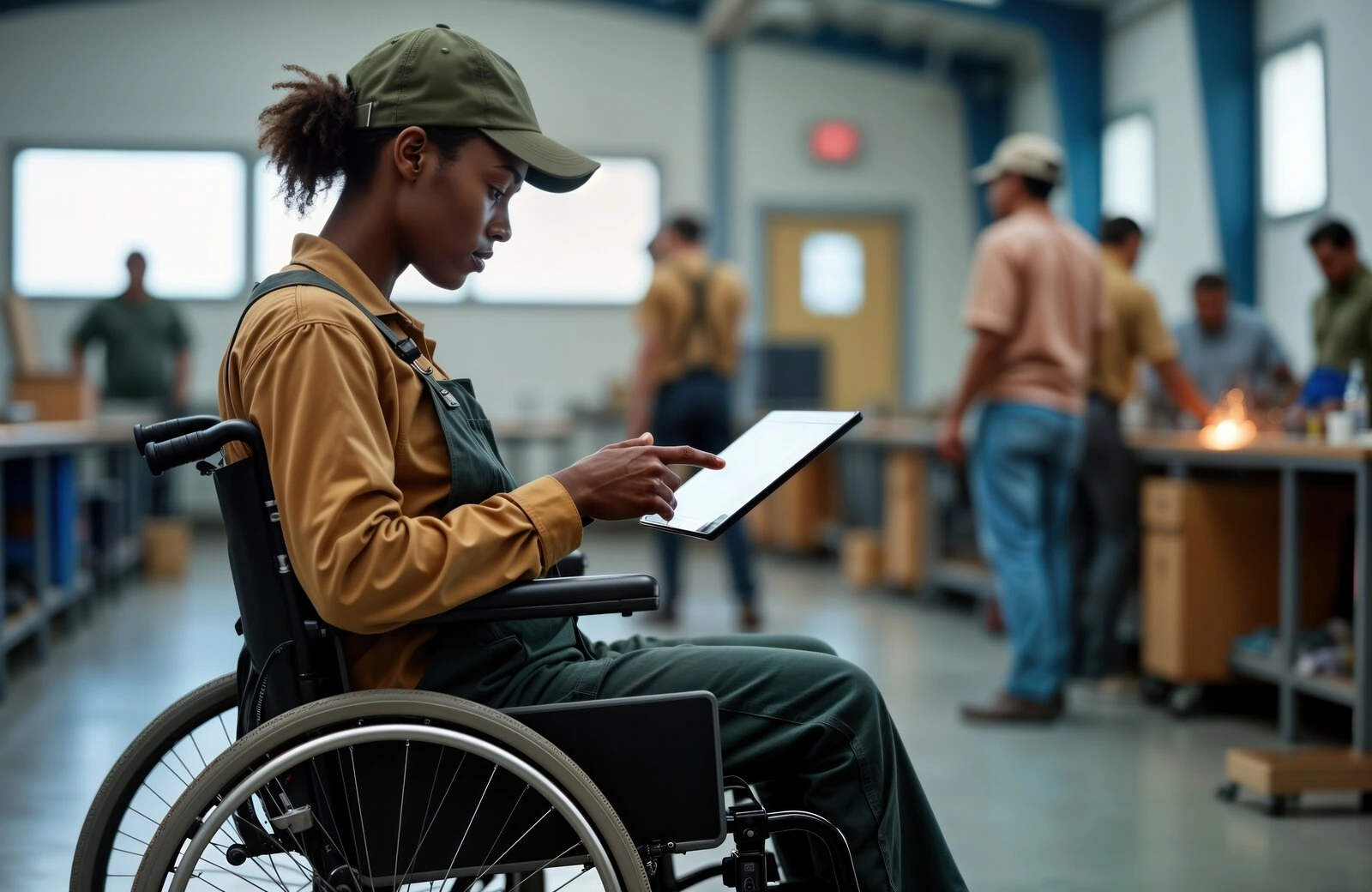
Global Digital
Rehabilitation
SUMMIT 2026
AI-Powered Digital Rehabilitation for Universal Access
Join the #DigitalRehabilitation revolution! Connect with experts, explore groundbreaking innovations, and collaborate to transform lives through technology in multidisciplinary rehabilitation worldwide.
WHERE
Global Online Summit
WHEN
Tuesday, 17 November 2026
From 11:00 to 14:00 UTC
We look forward to having you join us for an inspiring day!
You are welcome to present your relevant research, innovation or project.
Rethinking Rehabilitation Access in the Digital Era
The Global Digital Rehabilitation Summit 2026 will explore how digital rehabilitation, including AI, can help close the gap between rehabilitation needs and access to services. It provides a space to share evidence, exchange ideas, showcase real-world examples, and discuss what meaningful implementation looks like across different countries and contexts.
The Global Digital Rehabilitation Summit 2026 builds on the success of the first-ever Summit, held in 2024. The event attracted more than 1,000 registered participants from around the world and brought together researchers, technology developers, rehabilitation and health professionals, policymakers, service users and other experts. In 2026, the Summit will continue this global exchange, with a stronger focus on how digital rehabilitation, including the responsible use of AI, can improve access, quality, equity and rehabilitation systems.
Rehabilitation needs are growing worldwide, but access to services remains limited for millions of people.
Shortages of rehabilitation professionals, the uneven distribution of services, high costs, and the inadequate integration of rehabilitation into health systems continue to leave many people with disabilities, injuries, neurological conditions, and chronic health conditions without the support they need to live, work, learn, and participate fully in society.
There is growing recognition that rehabilitation systems need new approaches that can expand access while maintaining quality and person-centred care.
Digital rehabilitation and artificial intelligence (AI) are increasingly being explored as part of this response. These tools have the potential to expand access, improve service delivery, strengthen decision-making, and help rehabilitation reach people in more flexible and sustainable ways.
Who should attend?
Researchers, academics, Rehabilitation and healthcare professionals, Technology developers, innovators, Health leaders and policymakers, international organizations and NGOs, Service providers, People with lived experience, Students and early-career professionals
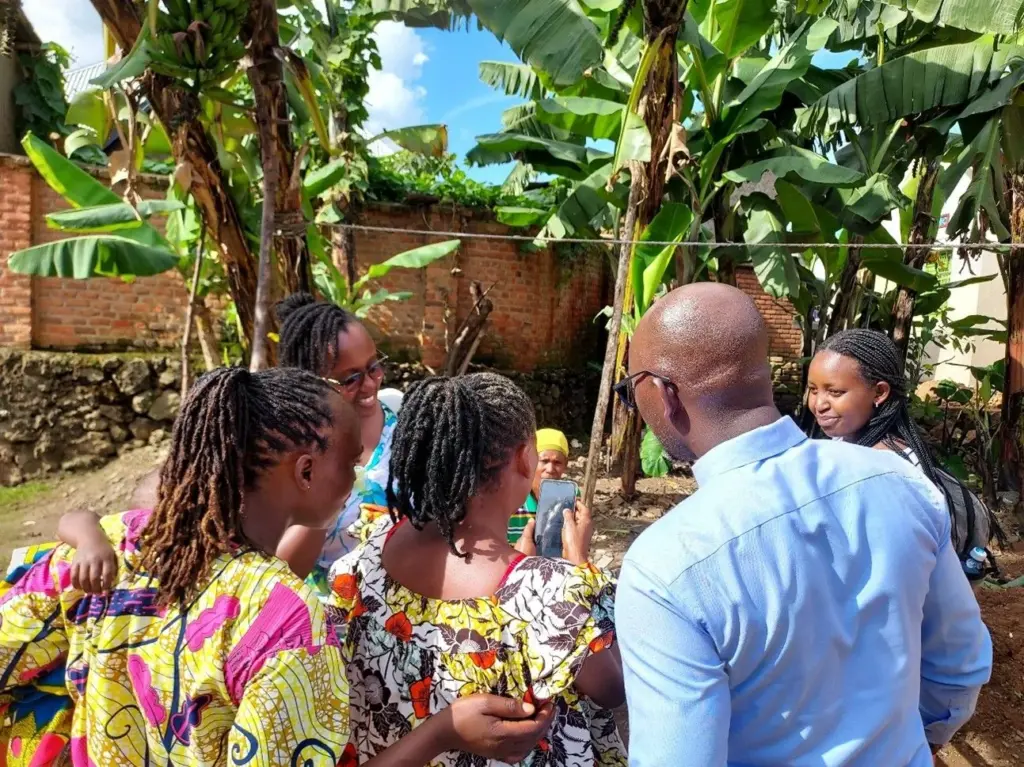
Call for presentations: topics of interest
We welcome contributions showing how digital approaches can improve access, quality, equity, safety and sustainability in multidisciplinary rehabilitation. Artificial intelligence is an important area of interest, but the Summit covers the wider field of digital rehabilitation.
Contributions may present research findings, policy development, implementation experience, service models, workforce development, practical innovations or lessons from approaches that did not work as expected.
Submissions should be made under one of the following tracks:
Systems, policy and scale
- Digital rehabilitation in national policies, health plans and service systems
- Implementation, adoption and scale-up
- Workforce capability and organisational change
- Financing, governance, data protection and regulation
- Partnerships and collaborative models for change
Practice, innovation and evidence
- AI-powered rehabilitation and personalised support
- Tele-rehabilitation, mobile services and hybrid care models
- Digital self-management and other emerging technologies
- Human-centred design, accessibility and service-user involvement
- Outcomes, impact, cost-effectiveness and implementation learning
Across both tracks, contributions should consider equity, ethics, safety and local context.
Preliminary Program
- 11:00–11:10 – Welcome and opening remarks
- 11:10–11:25 – Global update: Access to rehabilitation, current gaps and health-system priorities
- 11:25–11:40 – Keynote: AI-powered futures: How artificial intelligence is transforming health, work and society
- 11:40–12:20 – Selected contribution presentations: Session 1
- 12:20–12:30 – Break
- 12:30–13:10 – Selected contribution presentations: Session 2
- 13:10–13:50 – Panel discussion and Q/A): Reflections, lessons and future priorities for digital rehabilitation
- 13:50–14:00 – Closing remarks
Our aim
To support global learning and collaboration around digital rehabilitation and encourage practical approaches that improve access, strengthen systems, and support participation for people everywhere.
We look forward to welcoming participants from around the world to the Global Digital Rehabilitation Summit 2026.
Program (CET)
7:30 AM
Breakfast (on-site)
8:00 AM
9:00 AM
Break
9:10 AM
10:25 AM
Break
10:30 AM
11:15 AM
Lunch break & open doors in Rehalab (on-site)
12:15 PM
01:30 PM
Closing remarks and next steps
Opening remarks and speakers

Mr. Kari-Pekka Murtonen
Dr. Francois Uwinkindi


Dr. Päivi Sillanaukee
Dr. Antony Duttine


Dr. Michel Landry
Dr. Katariina Korniloff
